
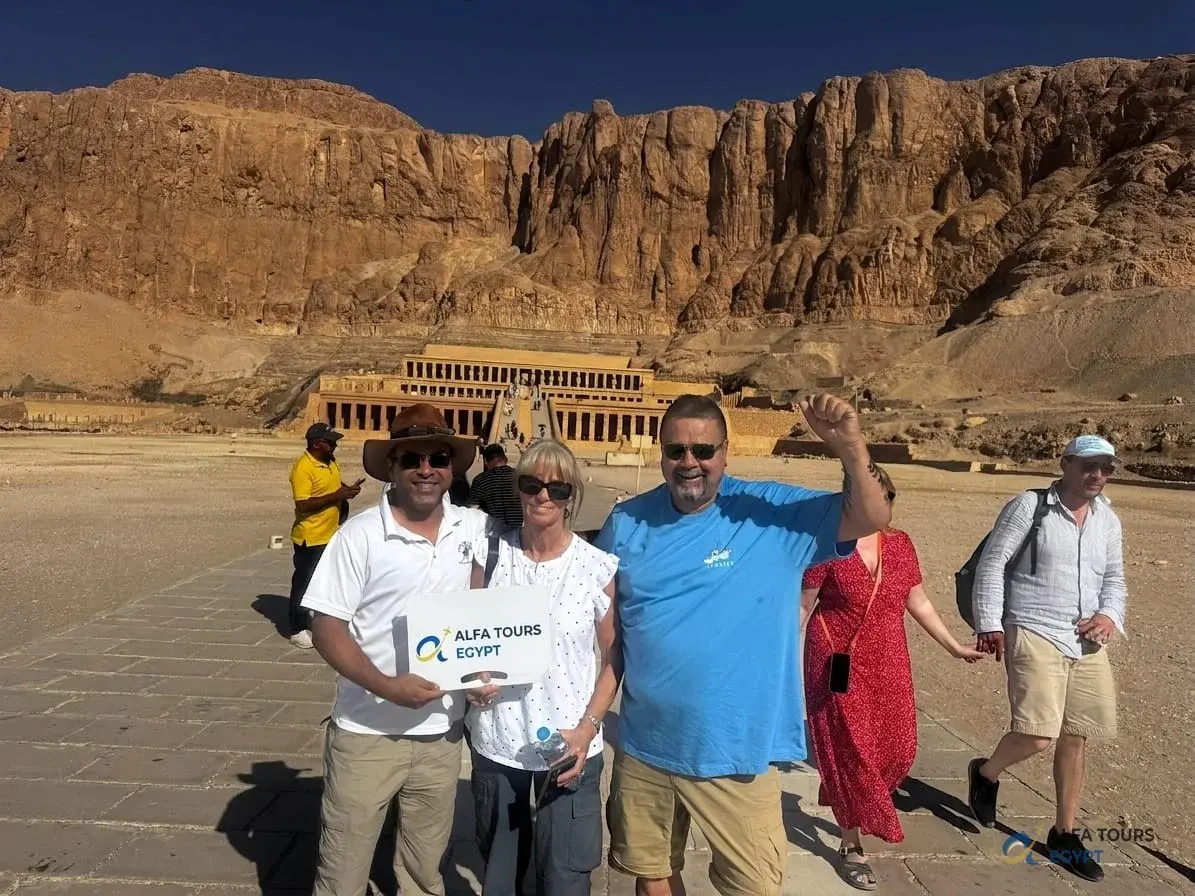
Planning to visit the magnificent Temple of Hatshepsut in Luxor? Discover the history of Egypt's legendary female pharaoh, architectural secrets of Deir el-Bahari, ticket info, and tour highlights.
Unveiling the Temple of Hatshepsut: Egypt’s Architectural Masterpiece
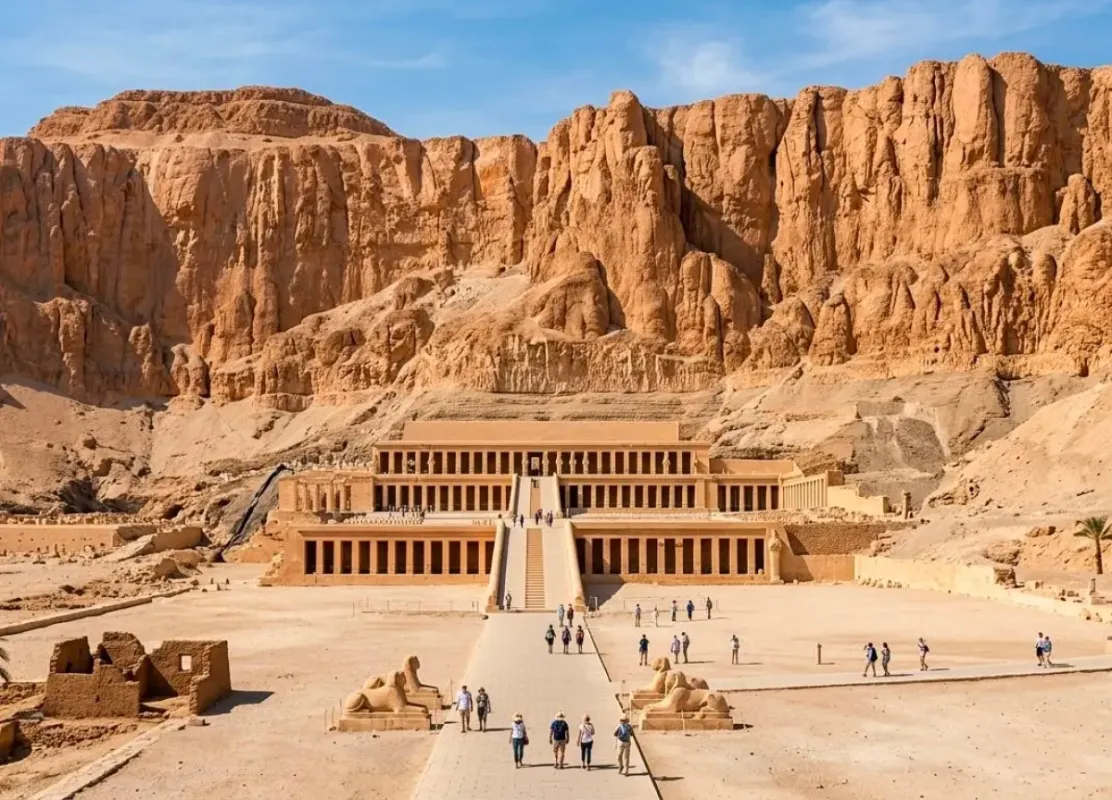
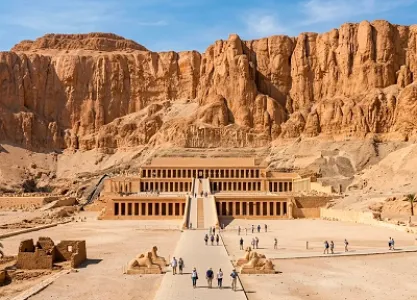
Carved into the towering limestone cliffs of Deir el-Bahari on the West Bank of Luxor, the Temple of Hatshepsut (also known as Djeser-Djeseru, meaning "Holy of Holies") stands as one of ancient Egypt's most visually striking monuments. Dedicated to Queen Hatshepsut—one of ancient Egypt’s few female pharaohs—the mortuary temple represents a dramatic departure from traditional pharaonic architecture.
Built during the 15th century BC during the 18th Dynasty, the Hatshepsut Temple features three grand terraced levels connected by wide central ramps, blending effortlessly into the natural desert cliffside behind it. Designed by the royal architect Senenmut, this sanctuary served to honor the gods while guaranteeing the queen’s eternal legacy in the afterlife.
Who Was Queen Hatshepsut?
Queen Hatshepsut was one of the most successful and powerful rulers of the New Kingdom. Initially ruling as regent for her young stepson, Thutmose III, she eventually assumed full pharaonic power, declaring herself King of Egypt.
During her peaceful 20-year reign, Hatshepsut re-established vital international trade routes—most famously her commercial expedition to the mythical Land of Punt—and spearheaded colossal building projects across Upper Egypt. The Temple of Hatshepsut was constructed to celebrate these incredible achievements and establish her divine heritage as the daughter of the god Amun-Ra.
Key Highlights Inside the Temple of Hatshepsut
When exploring the Temple of Hatshepsut, several historic colonnades and sacred chapels offer fascinating relief carvings:
Sanctuary AreaHistorical Significance & Architectural HighlightPunt ColonnadeDetailed wall reliefs depicting the famous trade expedition to Punt, exotic animals, gold, and incense trees.Birth ColonnadeCarvings illustrating the divine birth story of Hatshepsut to validate her right to the pharaonic throne.Chapel of HathorFeatures columns topped with the face of Hathor (the cow goddess of joy and love) and intricate carvings.Sanctuary of Amun-RaThe inner rock-cut sanctuary located on the uppermost terrace, dedicated to the supreme king of gods.
Essential Visitor Tips for the Temple of Hatshepsut
To maximize your experience when visiting the Hatshepsut Temple, keep these practical recommendations in mind:
Best Time to Visit: Arrive early in the morning (between 6:30 AM and 8:30 AM). The Temple of Hatshepsut faces east and catches the beautiful morning sunlight, making it ideal for photography before the desert heat hits.
Combine with Nearby Attractions: The Temple of Hatshepsut is located right next to the Valley of the Kings and the Colossi of Memnon, making it easy to tour all three major West Bank sites together.
Taf-Taf Electric Train: After passing the visitor center ticket gate, a small open-air electric shuttle ("taf-taf") transports visitors to the base of the temple ramp.
Sun Protection & Hydration: Bring wide-brimmed hats, high-SPF sunscreen, and plenty of bottled water, as the open stone terraces offer minimal shade during midday.
Gallery 3

FAQ
A: The Temple of Hatshepsut is located on the West Bank of the Nile River in Luxor (ancient Thebes), directly opposite the main city center at the foot of the cliffs of Deir el-Bahari.
Most guided tours of the Hatshepsut Temple take between 1 to 1.5 hours, allowing sufficient time to climb the three terraces, view the relief colonnades, and take photos.
Years after her death, her stepson and successor, Thutmose III, ordered her statues smashed and her names and images erased from temple walls to eradicate her reign from historical records and legitimize his own lineage.
Yes! Nearly all private and group West Bank Luxor tours combine the Temple of Hatshepsut with the Valley of the Kings and the Colossi of Memnon in a single morning itinerary.
Hossam Mohammad
Author at Alfa Tours Egypt